Visit Iceland
Official Iceland travel information — destination inspiration, things to do, accommodation information, and general travel guidance.
Visit official site

Iceland · March
March is a winter month that's starting to lean into spring: more daylight every week, aurora still possible, and prices that can be more flexible than peak summer (depending on route, availability and booking timing). The catch is that road conditions are still genuinely wintry — your trip needs flexibility, a 4x4 and a willingness to re-route around the weather.
Some links in this guide may lead to partner sites. IcelandStart does not process bookings. Affiliate Disclosure
Short answer
Last updated ·
March is a strong month for a flexible winter trip: aurora is still possible, daylight is growing, and the South Coast is at its most dramatic. Default to a Reykjavík base with 1–2 overnight stops on the South Coast, choose a 4x4, build buffer days, and check umferdin.is and vedur.is every morning before driving.
Who it suits
Conditions
Reykjavík averages roughly 2–5°C (36–41°F) by day and -2 to 1°C (28–34°F) at night, with wind, rain, snow and rapid changes. Daylight grows from about 10 hours at the start of March to 13 hours by the end — that's enough for big day trips, especially in the second half of the month. Storms still close roads at short notice.
Aurora
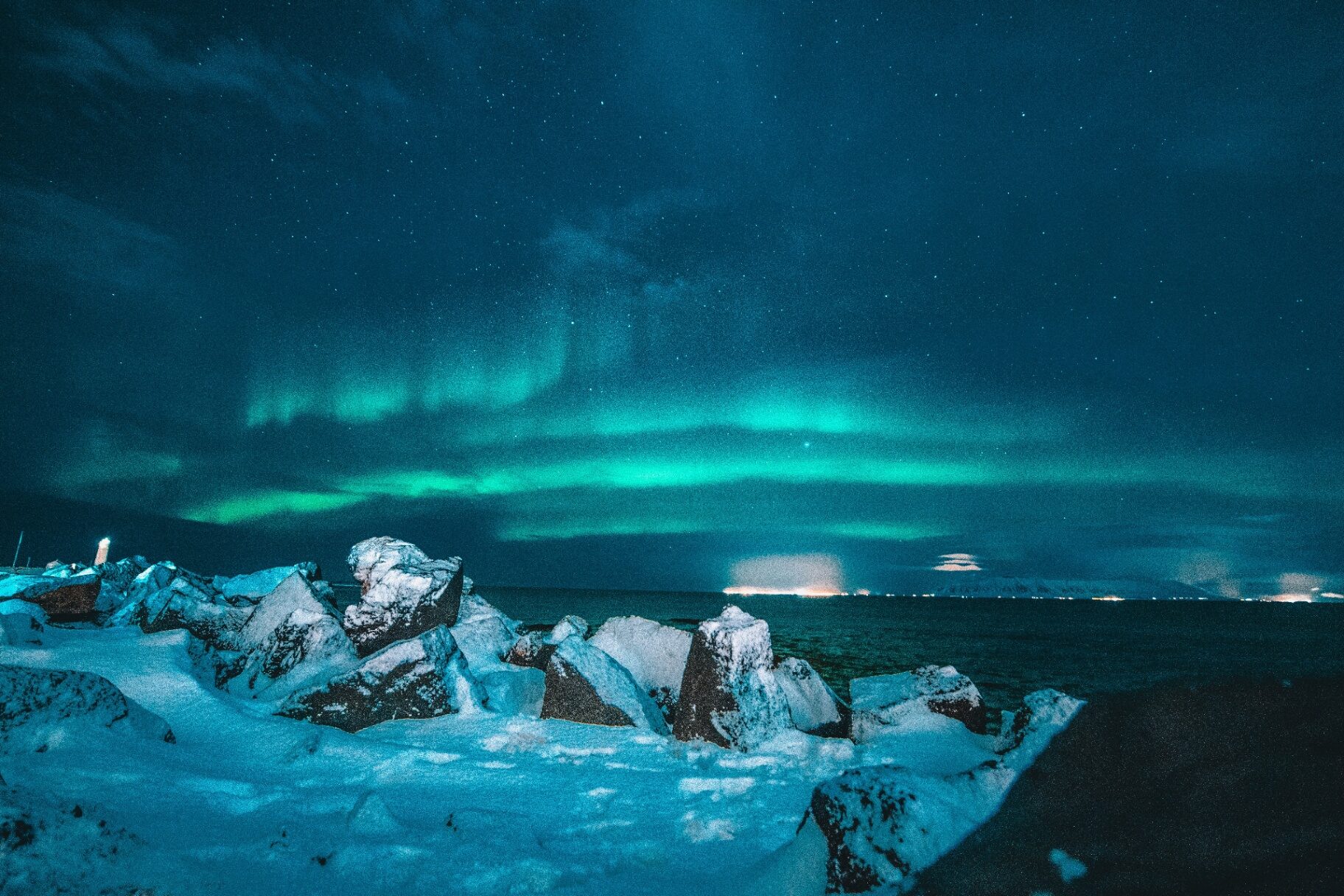
March can still work well for aurora planning before bright nights take over later in spring. Skies near the equinox often see active geomagnetic conditions, and aurora hunts run nightly from Reykjavík and countryside bases. Visibility still depends on cloud cover, solar activity and local weather — book at least 2–3 aurora-friendly nights, and check vedur.is/en/weather/forecasts/aurora each evening. See the winter & Northern Lights guide for the full planning workflow.
Driving
Winter tires are legally required and most rentals supply them automatically — confirm at booking. A 4x4 is strongly recommended for traction and ground clearance. Plan shorter daily drives than you would in summer, build a buffer day, and have a Plan B in Reykjavík if a storm closes your route. The road conditions guide walks through the daily check.
Plan shape
The most practical default for March is a Reykjavík base with 1–2 overnights on the South Coast (Hvolsvöllur, Vík or Höfn). The full Ring Road is technically possible but needs 10+ nights, real winter-driving experience and serious buffer days. If you don't want to drive at all, a no-car Reykjavík winter plan with day tours works well — see the winter without a car guide.
South Coast
March is one of the most dramatic times on the South Coast — snowy waterfalls, ice formations and quieter Reynisfjara. Two days is comfortable, three days lets you reach Jökulsárlón without driving 10+ hours round-trip with stops in one day. Choose a 4x4 and check road conditions before heading east of Vík. Full pacing in the South Coast road trip guide.
Ring Road
Possible but rarely the best choice. Route 1 can close in storms, daylight is still limited, and a March Ring Road trip needs 10+ nights and a willingness to skip sections. Most travelers in March will get a better experience from a South Coast loop or a Reykjavík + Akureyri fly-and-drive than a forced full circuit. See the Ring Road guide before planning.
Where to stay
Default to Reykjavík for the city portion (downtown 101 or Old Harbour), plus 1–2 countryside overnights in Hvolsvöllur, Vík or Höfn. Hotels in main villages are easier than rural rentals in winter — staffed check-in matters when a storm delays you. See the where to stay guide.
Book first
Mistakes
Official resources · non-affiliate
Before travel days, check official Iceland sources for current weather, road and safety updates.
Decision table
| Reykjavík + tours (3–5 nights) | Reykjavík + South Coast (5–7 nights) | Full Ring Road (10+ nights) | |
|---|---|---|---|
| Choose this if | Short trip, no driving, want aurora bonus | Want waterfalls, snowy landscapes, aurora and flexibility | Experienced winter driver, want the loop |
| Not ideal if | You want to reach Jökulsárlón on your own | You wanted the full Ring Road | Trip is under 10 nights or you're new to winter driving |
| What to book first | Reykjavík hotel + 2–3 cancellable day tours | 4x4 + Vík overnight + aurora-friendly nights | 4x4 + countryside stays + flexible cancellation |
| Car needed? | No | Yes (4x4 recommended) | Yes (4x4 + winter tires) |
| Best season | All March | Mid–late March | Late March (longer daylight) |
| Mistake to avoid | Only booking one aurora night | Skipping a buffer day for weather | Rigid hour-by-hour schedule with no buffer |
Honesty
March decision
FAQ
Partner next step
The biggest March decisions are usually the 4x4 rental, your Reykjavík and South Coast stays, and one or two cancellable day tours (aurora, ice cave, glacier). Final prices, availability, taxes, fees and cancellation terms are handled on the partner site.
Useful starting points
Partner links may appear in this section.
Or start in the Iceland trip planner tool to map your decisions in one minute.
Next decisions
Use these next if you are still choosing your route, season, car decision, or booking order.
Written and maintained by Marteinn Hilmarsson, based in Iceland.
This guide is maintained from Iceland and focuses on practical planning decisions before booking. If you spot something outdated or unclear, email . Corrections welcome.
Official Iceland resources · Non-affiliate
These official resource links are included for safety and planning. They are not paid partner links.
Official Iceland travel information — destination inspiration, things to do, accommodation information, and general travel guidance.
Visit official site
Official safe-travel information for Iceland. Useful for travel conditions, safety guidance, and preparation before outdoor or road-trip travel.
Check SafeTravel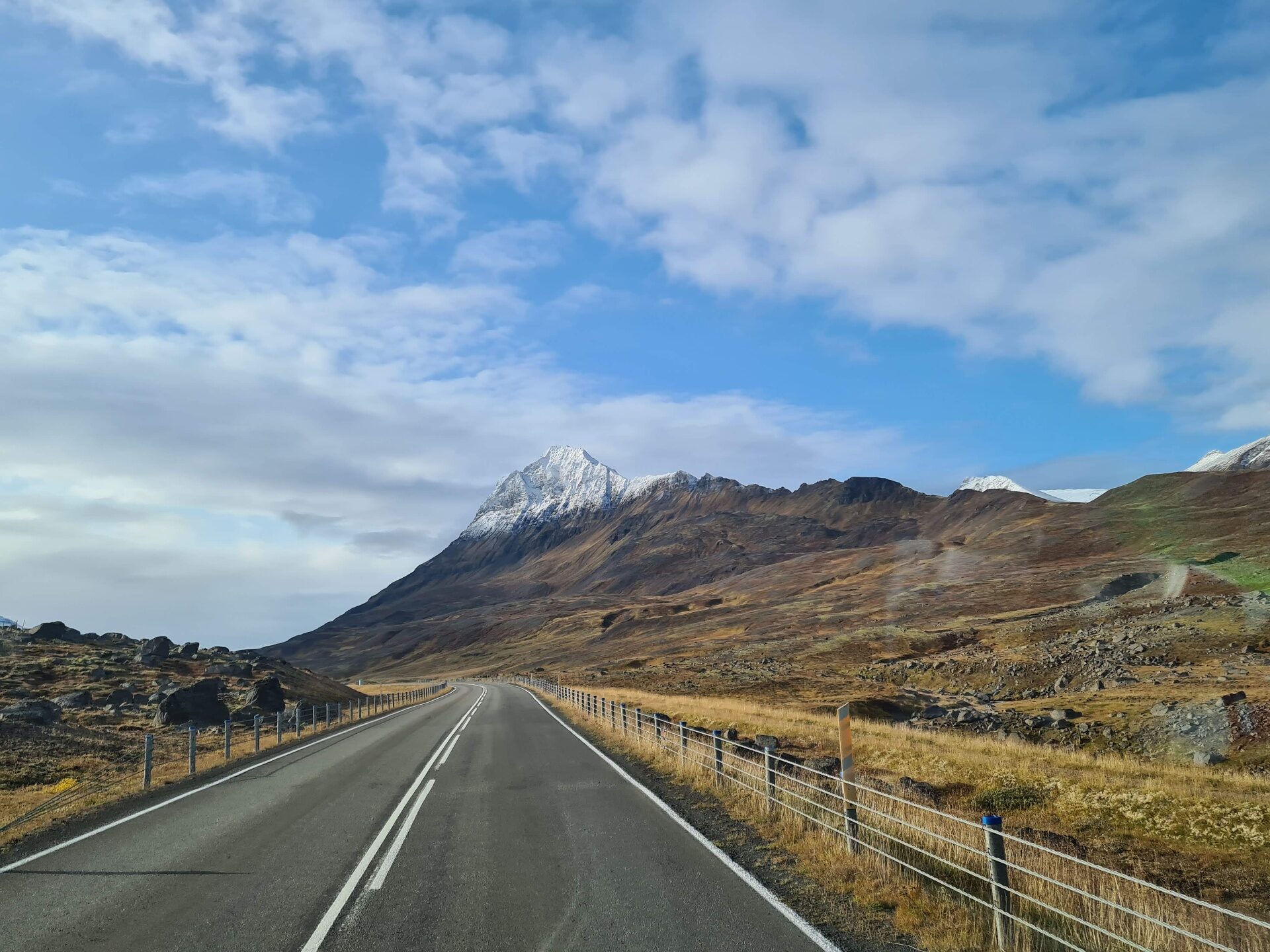
Road condition information for Iceland (Vegagerðin / Umferðin). Useful before driving — especially in winter, high winds, snow, or changing conditions.
Check road conditions
Official Icelandic weather forecasts (Veðurstofa Íslands). Useful before driving, outdoor activities, or winter travel.
Check weatherThese are official, non-affiliate links — provided for traveler safety and planning. Always check the most recent information on the official site before you travel.
Related planning guides
Plan a flexible winter trip with realistic aurora expectations.
View guideReykjavík-based winter trip with day tours — no driving required.
View guideOfficial Iceland sources (umferdin, vedur, SafeTravel) and daily checklist.
View guideIcelandStart helps you decide what to book first. Booking happens on the partner site — verify total cost, taxes, fees and cancellation terms there before confirming. Some links may earn us a commission at no extra cost to you.